The Case Against
The Decline of Civic Engagement
Political scientist Elena Vance argues that low turnout, polarization, and the rise of tribalism indicate a systemic collapse of democratic institutions.
Stories worth returning to. A curated space for intellectual rigor and open debate.
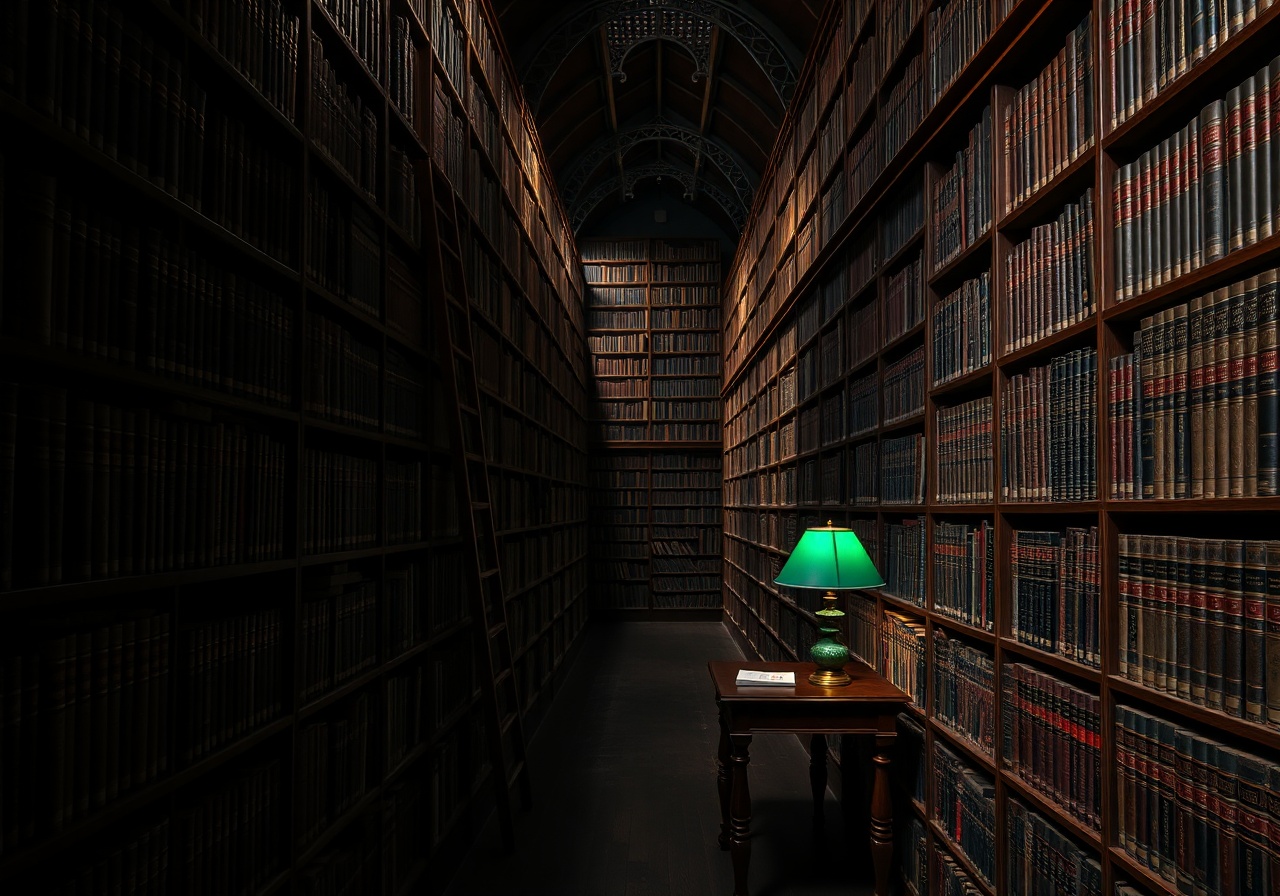
In our rush to digitize every corner of existence, we have forgotten how to build quiet. Architect Julian Vance argues that the loss of acoustic privacy is reshaping democracy itself.
"Silence is not the absence of sound; it is the presence of the self. Without it, we are reduced to a chorus of competing noises, unable to hear our own thoughts, let alone the arguments of others."
— Julian Vance, Author of 'The Empty Room'Vance traces this phenomenon from the hollow echo of modern skyscrapers to the deafening hum of social media algorithms. He suggests that true democracy requires a private sphere—a place where citizens can retreat to formulate arguments before entering the public square.
In this exclusive excerpt from his upcoming book, Vance examines three cities attempting to reclaim silence and the unintended consequences of their efforts.
Read Full EssayTwo leading thinkers face off on the state of the public sphere, voting rights, and the future of representation.
Political scientist Elena Vance argues that low turnout, polarization, and the rise of tribalism indicate a systemic collapse of democratic institutions.
Historian James Liu believes the current turbulence is actually a sign of a healthy, evolving system adapting to new technologies and demographics.
Books referenced in recent essays on politics, ethics, and the human condition.
Hannah Arendt
Richard Dawkins
Erik Brynjolfsson & Andrew McAfee
Join us in person or online for discussions with the world's leading thinkers.
A deep dive into governance, liberty, and power structures.
The moral implications of our technological acceleration.
What it means to be conscious in a material world.